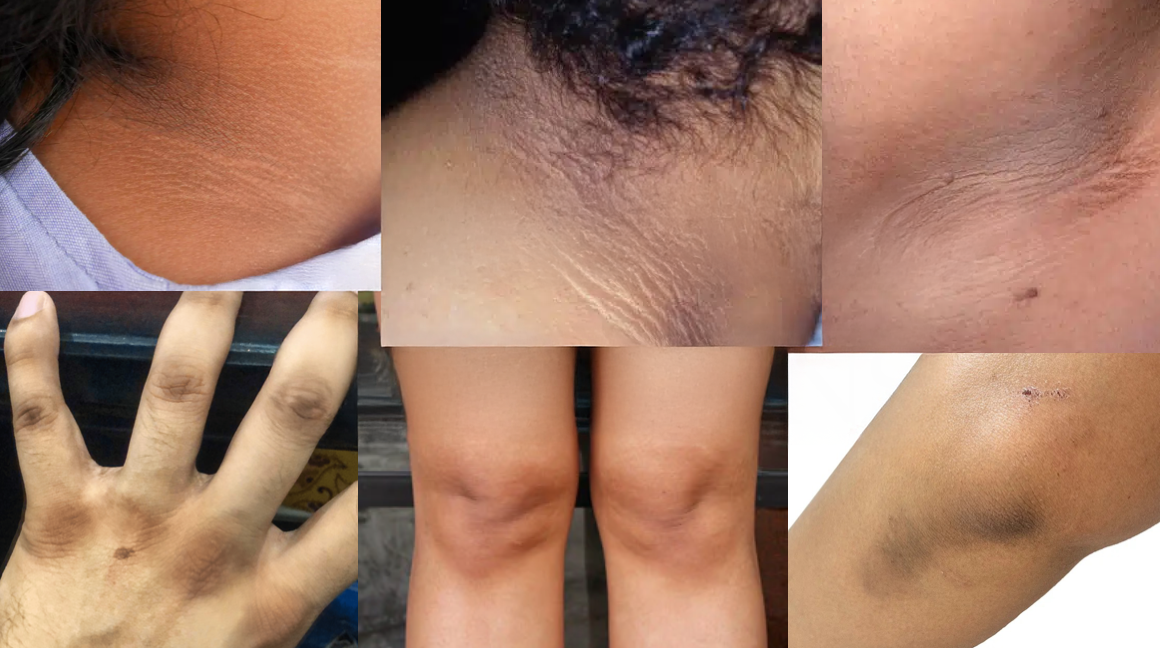
Dark Patches on the Neck? Understanding Acanthosis Nigricans and Its Link to Diabetes
Do you notice a dark, velvety, thickened texture at the back of your neck or in other skin folds? Many people assume it is due to poor hygiene or simple pigmentation. However, this skin change may be a condition called Acanthosis Nigricans, which is an important early warning sign of insulin resistance and type 2 diabetes.
This blog is based on an educational video created to raise awareness about Acanthosis Nigricans and why it should never be ignored. Early recognition can help identify metabolic problems before serious complications develop.
What Is Acanthosis Nigricans?
Acanthosis Nigricans is a skin condition characterised by dark, thickened, velvety patches that commonly appear on the back of the neck, armpits, groin, or other skin folds. The skin may look dirty or uneven, but washing does not remove the discoloration.
This condition is not a skin disease by itself. It is usually a visible sign of an underlying metabolic issue, most commonly insulin resistance.
Why Do These Dark Patches Appear?
In people with insulin resistance, the body produces higher levels of insulin to control blood sugar. Excess insulin stimulates skin cells to grow rapidly and produce more pigment, leading to thickened and darkened skin in certain areas.
This is why Acanthosis Nigricans is frequently associated with prediabetes, type 2 diabetes, obesity, and other metabolic conditions.
Connection Between Acanthosis Nigricans and Diabetes
Acanthosis Nigricans often appears years before diabetes is formally diagnosed. It serves as an early external marker that the body is struggling with insulin regulation. Identifying this sign early provides an opportunity to test blood sugar levels, assess insulin resistance, and begin lifestyle or medical interventions.
Ignoring these signs may delay diagnosis and increase the risk of developing full-blown diabetes and its complications.
Why You Should See a Doctor Immediately
Dark patches may appear harmless and painless, but they should never be ignored. Consulting a doctor helps determine whether the cause is insulin resistance, hormonal imbalance, or another medical condition. Early evaluation allows timely blood tests, lifestyle guidance, and treatment planning.
With proper management of blood sugar, weight, and lifestyle habits, the appearance of Acanthosis Nigricans may improve over time.
Early Detection Can Prevent Complications
Recognising Acanthosis Nigricans early can help prevent progression to type 2 diabetes, support weight management, and reduce the risk of long-term complications such as heart disease and nerve damage.
Diabetes Screening and Care in Kannur
At MCR Diabetes & Eyecare Center, we emphasise early detection and preventive diabetes care. Skin signs like Acanthosis Nigricans are often the first clue that something is wrong internally, and timely evaluation can make a significant difference.
Acanthosis Nigricans is more than a cosmetic skin issue. It is a visible warning sign of insulin resistance and possible type 2 diabetes. Paying attention to early signs and seeking medical advice can help you take control of your health before serious problems develop.