
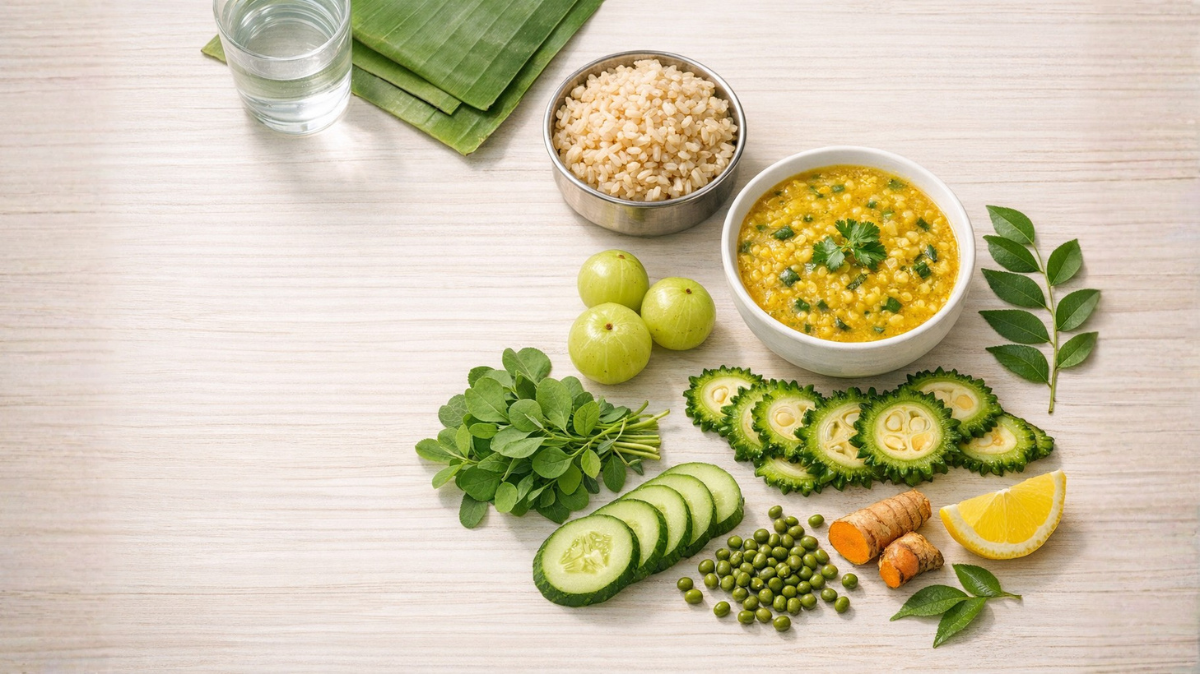
When it comes to managing Type 2 diabetes, diet is not just one tool among many — it is the foundation of everything else. For Indians, this is both a challenge and an opportunity: our traditional food is rich in fibre, plant proteins, and therapeutic spices. Unfortunately, modern habits have introduced refined grains, fried snacks, and sugary beverages into daily meals, replacing many of these wholesome choices. Nevertheless, a carefully structured diabetes diet chart for India bridges this gap — giving you a practical, culturally familiar, and medically sound roadmap.
At MCR Diabetes & Eye Care Centre, our diabetologist creates personalised meal plans that respect Indian food culture while keeping blood sugar in a stable, safe range. Consequently, this blog covers everything you need to know — from glycaemic index principles and a full 7-day Indian meal plan, to what to eat, what to avoid, and how to make lasting changes.
Why Diet Is the Cornerstone of Diabetes Management in India
The typical Indian diet is carbohydrate-heavy — rice, roti, and dal are staples across all states. Carbohydrates directly influence blood glucose: when digested, they break into glucose that enters the bloodstream. As a result, the speed and volume of this glucose rise determines whether blood sugar stays controlled or spikes dangerously.
Key principle: Not all carbohydrates are equal. Choosing complex carbohydrates — whole grains, millets, legumes — over refined ones (white rice, maida, sugar) is the single most impactful dietary change an Indian diabetic can make.
Beyond carbohydrates, the right proportion of protein, healthy fats, fibre, vitamins, and minerals determines how well blood sugar is regulated and how sustainably the diet can be followed. Therefore, personalised diet counselling from a qualified diabetologist matters — because a generic chart cannot account for your medication, weight, kidney function, or food preferences.
Why Portion Size Matters as Much as Food Choice
Even healthy, low-GI foods can raise blood sugar significantly when eaten in large amounts. For instance, a large portion of brown rice still delivers considerably more glucose than a small portion of white rice paired with dal and vegetables. Consequently, learning to control portion sizes is just as important as choosing the right foods in the first place.
Understanding Glycaemic Index (GI) — The Indian Diabetic’s Most Important Number
The Glycaemic Index (GI) ranks foods from 0–100 based on how fast they raise blood sugar compared to pure glucose. Low-GI foods (55 or below) cause a slower, steadier glucose rise — ideal for diabetics. In contrast, medium-GI (56–69) and high-GI (70+) foods cause faster, sharper spikes that are harder for the body to manage.
GI Scores of Common Indian Foods
The table below shows how everyday Indian foods rank on the glycaemic index. Use it as a quick reference when planning your daily meals:
| Indian Food | GI Score | Category | Diabetic Suitability |
|---|---|---|---|
| Ragi (Finger Millet) | 54 | Low GI | Excellent |
| Moong Dal | 38 | Low GI | Excellent |
| Rajma (Kidney Beans) | 29 | Low GI | Excellent |
| Brown Rice (cooked) | 55 | Low GI | Good (controlled portion) |
| Jowar (Sorghum) Roti | 55 | Low GI | Good |
| Whole Wheat Roti | 62 | Medium GI | Moderate — portion matters |
| Oats (rolled) | 57 | Medium GI | Good with protein addition |
| White Rice (cooked) | 72 | High GI | Limit / avoid large portions |
| Maida (Refined Flour) | 85 | High GI | Avoid |
| Sugar / Jaggery | 65–85 | High GI | Minimise / avoid |
What to Eat and What to Avoid: Complete Indian Diabetes Food Guide
Choosing the right foods is, without doubt, the most direct way to control blood sugar on a daily basis. Below is a comprehensive guide to what Indian diabetics should prioritise — and what they should limit or avoid entirely.
Foods That Support Blood Sugar Control
Foods to Eat
- Millets — ragi, jowar, bajra, foxtail
- Brown rice / parboiled rice (small portions)
- Multigrain or whole-wheat roti (2–3 per meal)
- Dal — moong, masoor, chana, arhar
- Rajma, chhole, sprouts, soybeans
- Leafy greens — spinach, methi, amaranth
- Bitter gourd (karela), drumstick, bottle gourd
- Tomato, capsicum, brinjal, okra (bhindi)
- Paneer (low-fat), tofu, eggs, fish
- Guava, jamun, apple, pear, amla
- Buttermilk, low-fat curd (dahi)
- Nuts — almonds, walnuts (small handful)
- Flaxseeds, chia seeds, pumpkin seeds
- Mustard oil, olive oil (limited quantity)
- Cinnamon, turmeric, fenugreek seeds
Foods to Avoid / Limit
- White rice (especially large portions)
- Maida — white bread, naan, bhatura
- Sugar, jaggery, honey in large amounts
- Sweets — mithai, halwa, ladoo, kheer
- Deep-fried foods — samosa, pakora, puri
- Packaged biscuits, namkeen, chips
- Cold drinks, fruit juices, energy drinks
- Full-fat milk, cream, processed cheese
- High-sugar fruits — mango, banana, grapes (limit)
- Potato (especially fried or mashed)
- Red meat, processed meats
- Trans fats — vanaspati, margarine
- Alcohol
- Flavoured yoghurt with added sugar
- Instant noodles, fast food
A Note on Traditional Indian Superfoods
Important note on Indian superfoods: Karela, methi, jamun, and amla have evidence supporting blood sugar regulation. However, they should complement — never replace — your prescribed medications. Always consult your diabetologist before making significant dietary changes, especially if you are on insulin or blood sugar tablets.
The Millet Revolution: India’s Best Kept Secret for Diabetes Control
Millets — ancient Indian grains that fed generations — are now at the centre of diabetes nutrition science. Rich in dietary fibre, minerals, and antioxidants, they have a lower glycaemic impact than polished rice or wheat flour. Furthermore, the Government of India’s declaration of 2023 as the International Year of Millets brought renewed scientific and public focus on these grains — and rightly so, for the 101 million Indians managing diabetes.
Six Millets That Work Best for Diabetes
Not all millets are equal, but the six varieties below are particularly well-suited for blood sugar management due to their fibre content, GI scores, and nutrient profiles:
Switching even one meal per day to a millet-based preparation — ragi porridge, jowar roti, foxtail millet upma — can meaningfully improve post-meal blood sugar readings over time. Additionally, our diet and lifestyle counselling team at MCR can guide you on incorporating millets into everyday meals that suit your regional food preferences, whether North or South Indian.
Complete 7-Day Indian Diabetes Diet Chart
This 7-day Indian diabetes meal plan is designed around approximately 1,400–1,600 calories per day, balanced across complex carbohydrates (40–45%), protein (20–25%), and healthy fats (30–35%). Notably, portions should be adjusted based on your body weight, activity level, and medication — always with your doctor’s guidance. For a truly personalised plan, book a consultation with our diabetologist.
How to Use This Meal Plan
Click on any day below to expand its full meal schedule. You can follow the plan exactly, or use it as a flexible template — substituting similar foods within the same category. For example, jowar roti can replace ragi roti, and moong dal can substitute for any other dal of your choice.
Day 1 — Monday
Days 2 and 3: Building the Habit
Day 2 — Tuesday
Day 3 — Wednesday
Days 4 to 7: Second Half of the Week
Day 4 — Thursday
Day 5 — Friday
Days 6 and 7: Finishing Strong
Day 6 — Saturday
Day 7 — Sunday
Remember: This is a general reference diet chart. Individual requirements vary significantly based on HbA1c levels, kidney function, body weight, age, and medications. Therefore, our diabetologist and diet counselling team will always customise this plan specifically for you before you begin following it.
5 Traditional Indian Foods That Help Control Blood Sugar
Indian traditional medicine and modern nutritional science agree on several foods that offer genuine benefits for blood sugar regulation. In particular, these five options are the most evidence-supported choices for Indian diabetics, and most of them are already found in everyday Indian kitchens.
1. Karela (Bitter Gourd)
Karela contains compounds including charantin and polypeptide-p, which mimic insulin and support glucose metabolism. Moreover, regular consumption as a vegetable or unsweetened juice is one of the oldest and best-supported traditional diabetes remedies in India. To get meaningful benefit, include it 3–4 times a week as a sabzi or stir-fry.
2. Methi (Fenugreek)
Methi seeds soaked overnight and consumed on an empty stomach help slow glucose absorption due to their high soluble fibre content. In addition to slowing sugar absorption, methi also improves insulin sensitivity over time. It is therefore one of the most practical and cost-effective dietary additions for Indian diabetics.
3. Jamun (Black Plum)
Jamun seeds and pulp contain jamboline, a compound that slows the conversion of starch into sugar. This makes it particularly useful after starchy meals. Seasonally available between May and August, jamun can be consumed fresh or as seed powder mixed with warm water throughout the year.
4. Amla (Indian Gooseberry)
Amla is extraordinarily rich in Vitamin C and antioxidants. Research suggests it may improve insulin sensitivity and reduce post-meal blood sugar spikes. Specifically, including one fresh amla daily, or 1–2 tbsp of amla juice (without added sugar) in the morning, is a simple yet powerful habit to build.
5. Turmeric and Cinnamon
Curcumin in turmeric has anti-inflammatory properties that support metabolic health, while cinnamon has been shown in multiple studies to improve insulin sensitivity. Furthermore, both spices are already a natural part of Indian cooking — so incorporating them more deliberately requires very little change. Simply add a pinch of cinnamon to warm water or milk daily, and use turmeric generously when cooking.
Diet Alone Is Not Enough: Lifestyle Habits That Make the Diet Work
A diabetes diet chart works best when supported by consistent lifestyle habits. As our diabetologist in Kannur always emphasises, diet and lifestyle are inseparable in diabetes management. In fact, studies show that combining dietary changes with physical activity and stress management produces significantly better blood sugar outcomes than diet alone.
Six Daily Habits That Reinforce Your Diabetes Diet
Whether you are newly diagnosed or have been managing diabetes for years, the following six habits work alongside your meal plan to produce lasting improvements in blood sugar control. In particular, combining even two or three of these habits consistently can make a measurable difference to your HbA1c readings within weeks:
The Combined Effect of Diet and Lifestyle
Research consistently shows that diet changes alone produce limited long-term results. However, when combined with regular physical activity, proper sleep, and stress management, the same dietary improvements produce significantly better glycaemic outcomes. In other words, the six habits above are not optional extras — they are essential multipliers that make your diabetes diet chart work harder for you.
Can the Right Diet Help Reverse Diabetes?
This is the question every Indian diabetic asks. The answer is nuanced — and our blog on whether diabetes can be cured and what diabetes remission means explains this in detail. In summary, for some people with Type 2 diabetes — especially those recently diagnosed and with significant weight to lose — sustained dietary changes combined with calorie restriction and regular physical activity can bring blood sugar into the normal range without medication. This state is clinically referred to as remission.
Why Remission Is Not the Same as a Cure
However, remission is not a permanent cure. The underlying predisposition remains, and if dietary discipline reduces over time, blood sugar can rise again. For this reason, the diet chart presented in this blog is not a short-term fix — rather, it represents a permanent shift in eating habits. Our preventive care programme helps patients in pre-diabetes or early-stage diabetes to prevent progression through targeted lifestyle interventions.
5 Common Diet Mistakes Indian Diabetics Make
Even with the best intentions, many Indian diabetics unknowingly make dietary choices that undermine their blood sugar control. Being aware of these five pitfalls is, therefore, just as important as knowing which foods to eat in the first place.
1. Thinking “No Sugar” Means “No Problem”
White rice, bread, and potato raise blood sugar just as sharply as sugar itself — sometimes even more so. Therefore, avoiding direct sugar while continuing with refined carbohydrates entirely defeats the purpose of a diabetes diet.
2. Relying on Fruit Juices as “Healthy”
Even unsweetened fruit juices concentrate natural sugars and strip out dietary fibre, consequently causing rapid blood sugar spikes. Instead, always eat whole fruits rather than juices, and in controlled portions.
3. Skipping Meals to “Control Sugar”
Contrary to popular belief, skipping meals causes irregular glucose fluctuations and can lead to hypoglycaemia in those on medication. As a result, regular, balanced meals every 3–4 hours are far more effective than skipping.
4. Overeating “Diabetic-Friendly” Foods
Even low-GI foods raise blood sugar if consumed in excess. Consequently, portion control remains essential regardless of how healthy a particular food is classified to be.
5. Following Generic Charts Without Personalisation
A diet that works well for one diabetic may not suit another, depending on weight, kidney function, medications, and cultural food preferences. For this reason, a personalised consultation with our diabetologist ensures your plan is safe, effective, and sustainable over the long term.
Get Your Personalised Diabetes Diet Plan in Kannur
Every patient is different. Our specialist diabetologist at MCR Diabetes & Eye Care, Kannur, creates personalised meal plans tailored to your HbA1c levels, medications, lifestyle, and food preferences — including South Indian, North Indian, and vegetarian dietary needs.
Frequently Asked Questions: Diabetes Diet Chart India
What is the best diet chart for diabetic patients in India?
Can a diabetic patient eat rice in India?
Which Indian food lowers blood sugar quickly?
More Questions About the Indian Diabetes Diet
What is the best breakfast for a diabetic patient in India?
Are millets good for diabetes in India?
How many chapatis can a diabetic eat per day?
Final Takeaway: Building a Sustainable Indian Diabetes Diet
A diabetes diet chart for India is not about eliminating all your favourite foods or following impossible restrictions. Rather, it is about making intelligent, science-based swaps — replacing white rice with millets, refined snacks with seeds and sprouts, and sugary chai with green tea — and building these changes into permanent daily habits.
Fortunately, the Indian food tradition is inherently rich in diabetes-friendly ingredients: lentils, vegetables, spices like turmeric and fenugreek, and ancestral grains like ragi and jowar. Reconnecting with these traditions while reducing refined and processed foods is, therefore, the most powerful and culturally sustainable approach to blood sugar control available to Indian patients.
At MCR Diabetes & Eye Care, Kannur, we combine evidence-based nutrition science with a deep understanding of Indian food culture to create personalised diet plans that patients can actually follow — and maintain — for life. Whether you are managing established Type 2 diabetes, reversing pre-diabetes, or seeking preventive care, our specialist team is here to guide you every step of the way.